
How Long Does a Building and Pest Inspection Take? Timing & Tips
Thinking about a building and pest inspection? Wondering how long you’ll be waiting around? Let’s break it down so you know exactly what to expect—and how you can make the process faster and smoother.
How Long Does an Inspection Really Take?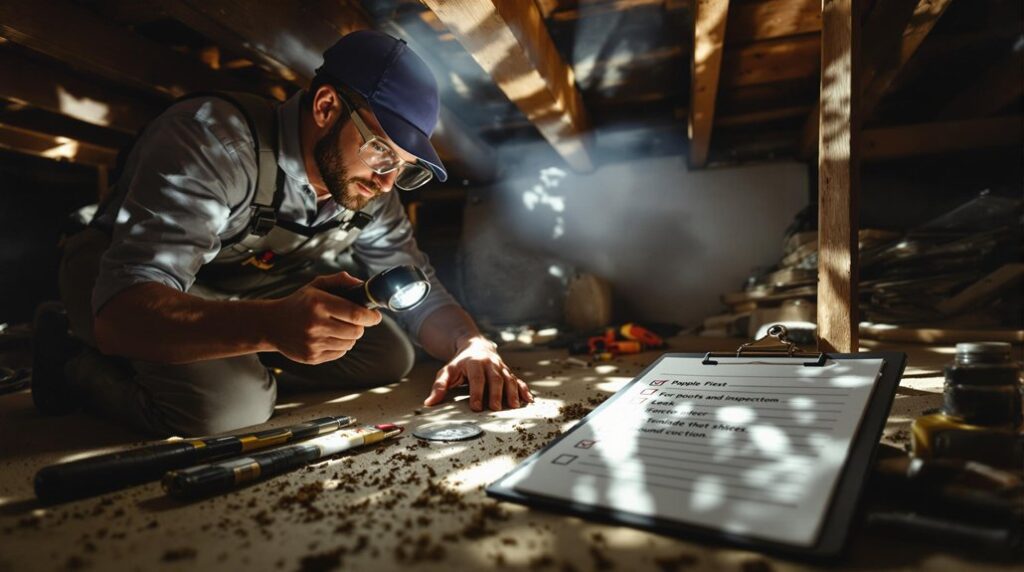
Short answer: It depends! Most building and pest inspections take anywhere from 1.5 to 4 hours. But here’s what can change that:
– Small, tidy homes: usually on the shorter end.
– Large or multi-unit buildings: expect a longer appointment.
– Older or heritage properties: can take extra time.
– Places with crawl spaces/outbuildings: more areas to check means more time.
Pro tip: Bad weather, tricky access, or safety checks can slow things down, too. If you want a speedy inspection, prep in advance and make sure there’s a single person the inspector can talk to for questions. For more details on building and pest inspections, you can visit their website here.
What Makes Inspections Take Longer?
Several factors impact how long your inspection will drag out. Here’s what inspectors look at:
– Size & layout: Bigger homes = more ground to cover.
– Access: Hard-to-reach spots (think attics, crawl spaces, locked rooms) slow things down.
– Age of the property: Older homes have more quirks and potential issues.
– Weather: Rain or extreme heat can delay roof and outside checks.
– Safety requirements: Sometimes inspectors need special gear or precautions.
– Coordination: If pest specialists or other trades are needed, scheduling can get complicated.
Heads up: Inspection pricing often reflects these factors—not just the time spent on site.
Typical Inspection Times by Property Type
Here’s a rough guide:
| Property Type | Inspection Time |
| Small house/duplex | 1.5–2 hours |
| Townhouse/condo | 2–2.5 hours |
| Large house/rural site | 2.5–4+ hours |
| Multi-unit/heritage | 3–5 hours |
Note: If your property has outbuildings or extensive grounds, add extra time!
What Actually Happens During the Inspection?
Inspections follow a pretty clear process. Here’s what you’ll see:
- Planning & Prep
– Confirm scope: What’s being inspected? Any special requests?
– Schedule access: Who’s letting them in? When?
- On-site Assessment
– Inspector checks structure, moisture, and all accessible areas.
– Uses special tools for hidden issues.
– Takes photos and notes.
- Evidence Gathering
– Documents everything: measurements, photos, observations.
– Rates severity and highlights priority areas.
- Reporting
– Inspector puts findings into a report.
– Includes recommended fixes and urgency.
Why does this matter? Each step builds on the last, so if one gets held up (like locked doors or missing paperwork), the whole timeline shifts.
How to Speed Things Up: Prep Tips
Want your inspection to be quick and painless? Here’s what you can do:
Before the Inspection
– Clear clutter: Make sure inspectors can get to crawl spaces, attics, and electrical panels.
– Unlock everything: Gates, sheds, garages, and side doors.
– Secure pets: Keep them out of the way (and safe).
– Tidy up: Trim bushes, clear driveways, and remove obstacles near entry points.
Have These Documents Ready
– Property plans and maps
– Repair receipts and warranties
– Permits for renovations or additions
– Any recent inspection or service reports
Communicate Clearly
– Let tenants/housemates know about the inspection.
– Provide a single contact for questions.
– Confirm how and when you’ll get the final report.
What Can Slow Things Down?
Even with the best prep, hiccups happen. Here are the usual suspects:
– Locked doors or missing keys
– Hidden or hard-to-reach areas
– Damp basements or tricky crawl spaces
– Bad weather
– Incomplete or missing paperwork
– Scope creep (adding extra requests last-minute)
Tip: Plan for a little wiggle room, just in case something crops up!
After the Inspection: What’s Next?
You’ll get a report with all the findings, usually within a day or two. Here’s what to do next:
- Go through the report: Don’t panic! Prioritize by safety and cost.
- Follow up: Ask your inspector or contractor about anything unclear.
- Get quotes: For any repairs or urgent fixes.
- Communicate: Let your agent, lender, or seller know if you need more time.
- Document everything: Keep a written record of decisions and schedule changes.
Final Thoughts
Building and pest inspections don’t have to be a headache. With some prep and clear communication, you’ll breeze through the process—and get the info you need to make smart decisions about your property.
Got more questions? Ask your inspector! They do this every day and can guide you through any curveballs.
