Search for:

I Cleaned My Own Windows for Years Until I Hired a Professional, Here’s the Honest Comparison

I used to treat window cleaning like a small, responsible ritual: a bucket, a squeegee, a couple microfiber cloths, and the stubborn belief that I could “figure out the streaks” if I just tried harder next time.

Then I hired a pro once.

And that one appointment quietly rewired what I thought “clean windows” even meant.


 DIY feels cheaper (because you don’t price your own time)

When you do your own windows, the math looks friendly. You buy supplies once, you reuse them, you don’t pay labor, and you get that satisfying sense of control. It’s a tidy story.

Here’s the thing: DIY is only “cheap” if you ignore the stuff you’re donating to the project.

Time. Risk. Re-dos. And the slow creep of buying better tools because the cheap ones kind of work… until they don’t.

I’ve watched the same pattern play out with friends and neighbors: the first clean is “good enough,” the second is better, and the third turns into a troubleshooting session because now you’re noticing haze you didn’t see before. At that point, a lot of people start wondering what is professional window cleaning actually paying for, and why the results tend to look so much better.


 The real bill shows up in hours, not dollars

Window cleaning is never just the glass. It’s screens, tracks, sills, frames, corners where grime collects like it’s paying rent.

If you’re doing it right, you’re doing at least three phases:

Setup: moving furniture, laying towels, grabbing a ladder, mixing solution

Cleaning: wash, squeegee, wipe edges (repeat per pane)

Detailing: frames, sills, spot-checking for streaks in different light

And the killer is the stop-start rhythm. You can’t “batch” it the way you can vacuuming. You’re constantly walking, repositioning, climbing, wiping drips you didn’t plan for.

A typical DIY session for a medium home can eat a half day without trying. Pros compress that into a tight, efficient visit because they’re not improvising, they’re executing a routine they’ve done a thousand times.

One-line truth:

You’re not paying a professional for the minutes on the ladder, you’re paying for the hours you don’t lose.


 Scheduling is the hidden boss battle

Now, this won’t apply to everyone, but if your life is even mildly busy, windows slip down the priority list fast.

Sun matters. Wind matters. Hard water matters. If you clean on a hot day, solution dries too quickly and you chase streaks. If it rains two days later, you feel like you wasted your time. If you do interiors at night, you don’t see the haze until morning (which is a special kind of annoyance).

I used to tell myself I liked the flexibility. In reality, I kept rescheduling the job because it’s annoying to set up.

Professional Window Cleaning

 Hidden DIY costs: the stuff you don’t think to budget

At first you’re like, “I already own towels.”

Then you discover the towels you own leave lint. Or they’re too grabby. Or they smear when they hit a little grease near the kitchen window. So you buy “window towels.” Then you buy a better squeegee. Then a better bucket. Then a scrubber sleeve. Then a pole.

It’s not outrageous, but it’s a drip-drip expense pattern.

Also: replacement costs are real. Rubber blades wear. Cheap squeegees nick. Spray bottles clog. And if you’re fighting mineral deposits, you’ll start buying specialty cleaners that you swear you’ll “use later” (you won’t).


 Safety and liability is where DIY stops being charming

If you’re on a single-story home with easy access, fine. If you’re hauling a ladder around landscaping, reaching over ledges, or leaning to catch that last corner…

Look, I’m not dramatic about household tasks. But ladder work + water + rushed decision-making is a bad mix. A professional typically carries insurance and has procedures that are boring in the best way. That changes the risk equation.


 What the pros do differently (it’s not magic, it’s systems)

Hot take: most DIY streaks aren’t about “bad cleaner.” They’re about technique and repeatability.

Professionals come with:

Commercial-grade squeegees with fresh rubber edges

Applicators that hold the right amount of solution (not dripping, not dry)

Extension poles that keep them stable instead of overreaching

Process discipline: consistent strokes, consistent pressure, clean edge-wipes

And they work like they’re running a checklist, not “seeing what happens.” They pre-wet, they control runoff, they detail edges with intent, and they inspect from multiple angles, because they know where film hides.

If you’ve never watched a pro handle a large pane, it’s oddly satisfying. The glass goes from “fine” to “invisible” in about 30 seconds.


 A quick data point (because this isn’t just vibes)

According to the U.S. Consumer Product Safety Commission, falls are one of the leading causes of injury in the home, and ladders are a consistent contributor in fall-related incidents. Source: CPSC ladder safety and injury prevention materials (Consumer Product Safety Commission, ladder-related injury data summaries).

Does that mean you’ll fall cleaning your windows? No. But it does mean the risk is not theoretical, especially once you introduce height and haste.


 So when does DIY actually make sense?

I’m not anti-DIY. I still do some windows myself. Just not the ones that punish me.

DIY makes sense when:

– The panes are easy to reach (ground level, stable footing)

– You have a small number of windows

– You’re doing maintenance cleaning, not restoration

– You don’t mind a little imperfection (because not everyone cares)

Hiring a pro starts looking smart when:


 Is it really worth wrestling ladders for streaky glass?

Multi-story windows, tight angles, skylights, old frames with buildup, hard-water staining… that’s where professionals earn their money. They’re faster, safer, and usually cleaner on the first pass.

And if you’ve ever tried to remove mineral deposits only to realize you’ve upgraded from “cleaning” to “surface correction,” you already know what I mean.


 My honest takeaway (after switching back and forth)

DIY gave me control. It also gave me inconsistent results, sore shoulders, and that annoying feeling of noticing streaks only after the sun hits the glass at 4 p.m.

Pros gave me something I didn’t expect to value so much: predictability.

If you love the ritual and your setup is simple, keep doing it. But once you’ve seen a professional knock out the whole house quickly, without drama, without drips, without that faint haze you’ve been pretending is “just the light”, it’s hard to unsee.

That’s the real comparison.

Not money vs money.

Time, comfort, and consistency vs the stubborn satisfaction of doing it yourself.

Pressure Washing vs. Soft Washing: What to Use (and What to Never Touch)

Most homeowners reach for pressure washing because it *feels* decisive. Pull trigger, erase grime, job done.

And yeah, sometimes that’s exactly right. Other times, it’s how people carve zebra stripes into concrete and peel paint off siding in under 30 seconds.

One line you can actually trust: use the least aggressive method that still works. Start gentle, escalate only when the surface proves it can take a beating.

So what’s the real difference?

Pressure washing is mechanical cleaning. You’re relying on impact force, PSI, nozzle angle, distance, dwell time, to break the bond between grime and surface.

Soft washing is chemical cleaning with low pressure. The detergents do the heavy lifting; the rinse just carries it away. Think “treat and rinse,” not “blast and conquer.” If you’ve ever asked, Is soft washing better than pressure washing?, the answer usually depends on what you’re cleaning and what kind of buildup you’re dealing with.

Here’s the thing: organic growth (algae, mold, mildew) usually responds better to soft washing because you’re killing it, not just scattering it.

A quick data point, because people love hand-wavy claims in this industry: consumer pressure washers commonly range 1,300, 3,000 PSI, while commercial units can exceed 4,000 PSI (Simpson Cleaning’s spec sheets are a decent reference for typical unit classes). That’s enough force to etch wood, strip coatings, and drive water behind siding if you’re sloppy.

Hot take: Pressure washing is overused

I’ve seen more damage from “helpful weekend cleaning” than from neglect. Gouged deck boards.Etched pavers. Window trim forced full of water. Somebody even shredded the face off a soft brick because “more pressure = more clean.” Nope.

Soft washing isn’t “the weak way.” It’s the controlled way.

One-line truth:

Soft washing is what you do when you care about what the surface looks like next week.

The decision framework (simple, but not simplistic)

Pressure Washing

You’re choosing based on three variables:

  1. Surface strength: Can it handle impact without scarring, loosening, or pitting?
  2. What you’re removing: Organic growth, oily film, mineral staining, loose paint, embedded dirt, each behaves differently.
  3. Water intrusion risk: Can water get behind it, under it, or into a cavity that won’t dry quickly?

Now, this won’t apply to everyone, but if you’re unsure, default to soft washing. You can always step up pressure. You can’t un-etch concrete.

Surfaces around your home: what I’d do, and why

Siding (vinyl, fiber cement, engineered wood): be gentle or pay later

Pressure washing siding is where people get in trouble fast. The surface might survive, but the *system* often doesn’t, water gets behind panels, into seams, around window flashing.

Soft washing is the safer play for:

– algae streaks

– mildew patches

– general airborne grime

If you insist on pressure, keep it low, keep a wide fan tip, and never aim upward under laps. I’m not being dramatic; I’ve watched that one mistake turn into interior wall staining weeks later.

(Also: chemical choice matters. Harsh mixes can fade vinyl or haze coatings.)

Brick: durable, yes. Bulletproof, no.

Brick can take more pressure than siding, but mortar is the weak link. If joints are cracked or sandy, high-pressure spray becomes a mortar removal tool.

What works in practice:

– Start with a pre-wet

– Use a mild cleaner if organic staining is the issue

– Keep pressure conservative and the nozzle moving

I’m opinionated here: don’t try to “brighten” old brick with aggressive blasting. It often looks worse, patchy, over-cleaned, and weirdly scarred. Also, efflorescence problems can get worse if you drive water into the wall.

If you’re sealing after cleaning, use a breathable masonry sealer. Trapped moisture is how you create peeling, spalling, or that chalky bloom you were trying to avoid.

Stucco: soft wash almost every time

Stucco is one of those materials that looks tough until it isn’t. The finish coat can erode, hairline cracks can widen, and water intrusion is a genuine risk.

Soft washing is usually the right call because:

– low pressure won’t crater the texture

– detergents handle algae/mildew without abrasion

– you reduce the chance of forcing water into micro-cracks

Two sentences, because that’s all it needs: If your stucco is already cracked, pressure washing can turn “cosmetic” into “leak path.” Fix the cracks first.

Concrete, driveways, and sidewalks (where pressure *can* shine)

Concrete is where pressure washing earns its reputation, when it’s done correctly. High PSI plus a narrow tip will absolutely remove grime… and can also etch lines that never go away.

A few practical rules I use:

– Use a wide fan tip, not a pinpoint stream

– Maintain consistent distance (inconsistent distance = striping)

– Keep moving; don’t “hover” on a stain

– For big areas, a surface cleaner gives a more even finish than a wand

Soft washing still has a place here. Oil spots, algae film, and shaded slime often respond better with a degreaser or biocide first, then a controlled rinse.

Look, speed is tempting on concrete. But if the slab is old, flaky, or already pitted, blasting it just accelerates the damage.

Wood decks and fences: the surface everyone ruins once

Pressure washing wood is like sanding with a chainsaw. It works, but it’s easy to overdo.

What I’ve seen work consistently:

– Low pressure, wide fan, longer passes

– Let a wood-safe cleaner do the work

– Rinse like you’re “floating” dirt off the surface, not chiseling it out

If you notice fuzzy fibers after washing, that’s not “clean wood.” That’s torn grain. It’ll weather faster and stain unevenly.

A quick “don’t be a hero” list

Use this when you’re standing there with the wand thinking, *How bad could it be?*

Avoid high-pressure spray on:

– painted surfaces you want to keep painted

– old mortar or historic masonry

– window/door seals and vents

– roof shingles (soft wash only, roof granules are not supposed to come off)

Nozzles, PSI, and why the tip matters more than people admit

Pressure at the pump isn’t the same as pressure at the surface. Distance and tip angle change everything.

A narrow tip concentrates force into a tiny point. That’s why you can carve lines into concrete even on a “normal” homeowner machine. A wider fan spreads impact out, giving you cleaning without the gouge.

If you’re seeing:

– streaks

– “clean lines” that look like tiger stripes

– surface fuzzing on wood

– paint lifting at edges

…that’s feedback. Back off. Change the approach. Don’t just keep going harder.

Prep & safety (the part people skip, then regret)

Before any wash, soft or pressure, do a fast scan:

– loose paint, failing caulk, cracked mortar, spalling concrete

– open gaps around penetrations (hose bibs, vents, lights)

– plants and soil you don’t want chemical runoff soaking into

Protect outlets and fixtures. Wear eye protection. Keep pets inside. And don’t mix chemicals because you saw a “pro tip” online.

One more thing, from experience: test a small inconspicuous patch. Not because it’s polite, because it saves you from discovering incompatibility across 200 square feet.

The “clear path” if you don’t want to overthink it

Soft wash anything that’s painted, textured, sealed, or prone to water intrusion.

Pressure wash only what’s truly hard and stable, then use restraint, not bravado.

That’s how you clean your house without slowly dismantling it.

The Secret to Finding Childcare You Can Actually Trust (Without Losing Your Mind)

Let’s be honest: searching for great childcare can feel like a never-ending quest. Between the scary stories and endless choices, it’s easy to get overwhelmed. But what if you could cut through all the noise and actually feel good about your decision? Yep, it’s possible! Let’s chat about the real steps that lead to peace of mind and happy kids.

What Really Makes Childcare Trustworthy?

Trust isn’t just a feeling—it’s something you can actually spot if you know what to look for. Here are a few signs you’re on the right track:

Professionalism: Do they show up on time? Are they organized?

Open Communication: Are they happy to answer your questions and keep you in the loop?

Genuine Care: Watch how they interact with kids—are they patient, warm, and attentive?

Clear Policies: Things like safety, hygiene, and emergencies should be clear as day.

Shared Values: Do their routines and discipline methods match what you want for your child?

Pro tip: A provider who’s eager to talk about their approach and policies is one who’s got nothing to hide. If you’re looking for a real-world example, check out Kool Beanz childcare services to see how a trusted provider puts these principles into action.

Don’t Skip the Paperwork: Certification and Licensing

It might sound boring, but this step is so important. Here’s how to check the essentials:

  1. Verify Certifications

– Look for state-required credentials or special training in early childhood education.

– Use official state or industry websites to confirm everything is current—don’t just take their word for it!

  1. Check Licensing Records

– Every legit provider should be licensed by your state.

– Quick online search: most states have searchable databases with inspection reports and any past violations.

  1. Ask About Staff Qualifications


– Make sure everyone is CPR/first aid certified and has up-to-date training.

– Don’t be shy—ask to see proof or check with licensing agencies if you want.

Bottom line: If a provider hesitates to show you their credentials, that’s a red flag.

Tap Into Your Community for Real-World Advice

Sometimes the best info comes from people who’ve already been there. Try:

Friends, neighbors, family: Ask who they trust and why.

Local parent groups: Online forums or Facebook groups can be gold mines for honest feedback.

School or workplace connections: Someone’s always got a recommendation!

Why it matters: These personal connections can help you find hidden gems (or avoid duds) that might not show up in a Google search.

Don’t Skip the Visit! What to Look For In Person

Nothing beats seeing a place with your own eyes. When you visit:

Watch the kids: Do they look happy and comfortable?

Watch the staff: Are they engaged, patient, and attentive—or distracted and rushed?

Check the space: Is it clean, safe, and set up for age-appropriate activities?

Trust your gut: If something feels off, don’t ignore it.

Tip: Take notes while you’re there so you can compare places later.

Ask Smart Questions—Don’t Hold Back!

You’re not being nosy—you’re being a great parent. Here are some questions you should ask:

– What happens if there’s an emergency or a child gets sick?

– How do you handle discipline?

– How do you keep parents updated?

– What training does your staff get (and how often)?

– Can you walk me through your daily routine?

Bonus: Ask for real-life examples. “Can you tell me about a time you dealt with an emergency?” is way better than a simple yes/no.

Watch Out for Red Flags

Trust your instincts! Here are some warning signs to never ignore:

Inconsistent routines: If every visit feels different (or chaotic), that’s a bad sign.

Unprofessional staff: Rude, disengaged, or impatient staff can signal trouble.

Lack of communication: If they’re vague or dodge your questions, walk away.

Dirty or unsafe environment: This one’s obvious—kids need a clean, safe place to play.

Building a Great Relationship with Your Provider

Once you find a good fit, keep that connection strong:

Communicate often: Share updates about your child and ask for feedback.

– Be open and honest: Address little issues before they become big ones.

Show appreciation: A little thank-you goes a long way!

Regular check-ins: Stay involved and keep the conversation going.

Remember: Trust is built over time, not overnight. Keep that line of communication open and you’ll both feel more comfortable.

Final Thoughts

Finding childcare you trust doesn’t have to be an endless, stressful search. By mixing a little research, some community wisdom, and a lot of gut instinct, you’ll find a place that feels right for you and your child. Ask questions, trust your instincts, and don’t settle for less than you deserve!

Keep Your Property Safe With Superior Siding And Roofing Services Solutions

Maintaining a safe and well-protected property begins with strong roofing and durable siding. Your home or building relies on these critical components to shield it from harsh weather, pests, and structural damage. Choosing the right siding and roofing services ensures that your property remains safe, energy-efficient, and visually appealing for years. Quality solutions not only improve the longevity of your building but also prevent costly repairs caused by water leaks, mold, or insulation problems. Investing in professional siding and roofing services offers peace of mind and enhances the overall value of your property.

Siding serves as the first line of defense for your property. Properly installed siding provides protection while improving the aesthetic appeal of your home. Key benefits include:

  • Weather Protection: Shields walls from rain, snow, wind, and extreme temperatures.
  • Energy Efficiency: Well-insulated siding helps maintain indoor temperatures, reducing heating and cooling costs.
  • Durability: High-quality siding resists rot, cracks, and pest damage.
  • Low Maintenance: Strong siding requires minimal upkeep, saving time and effort.

Choosing professional siding services guarantees correct installation and materials suitable for your property’s specific needs. Experts assess the structure, recommend the best options, and ensure long-lasting results.

Importance of Reliable Roofing Services

A strong roof is essential for safeguarding the entire building. It prevents leaks, supports insulation, and contributes to structural integrity. Key advantages include:

  • Leak Prevention: Proper installation prevents water damage that can affect walls, ceilings, and foundations.
  • Structural Support: A solid roof maintains the stability of the property and prevents sagging or collapse.
  • Energy Savings: Effective roofing helps regulate temperature and reduce energy consumption.
  • Extended Lifespan: Quality roofing materials and professional services extend the life of your roof significantly.

Professional roofing solutions involve thorough inspection, precise installation, and use of high-quality materials tailored to the environment and weather conditions of the area.

Tips to Ensure Property Safety

  • Schedule regular inspections for both siding and roofing to detect issues early.
  • Repair minor damages promptly to prevent costly repairs.
  • Choose materials that withstand local weather conditions.
  • Work with skilled professionals for installation and maintenance.
  • Keep gutters and drainage systems clear to protect siding and roofing.

Protecting your property begins with investing in superior siding and roofing services. Quality materials and professional installation prevent damage, save energy, and enhance the overall appearance of your home. Regular maintenance and timely repairs ensure long-term durability and peace of mind. By focusing on both siding and roofing, property owners can secure their investment and enjoy a safe, comfortable living space. When planning roofing upgrades, many homeowners rely on trusted ottawa roofing contractors known for high-quality workmanship and reliable long-term protection.

From Blueprint to Final Touch, Every Home Built with Expert Care

Creating a home is more than just assembling bricks and mortar. It is about turning a vision into reality step by step, from the earliest sketches to the last polish on a doorknob. A well-built home demands more than good materials; it calls for expert care, attention to detail, and skilled hands that guide the process at every stage. Whether you are building your first house or your forever home, each step matters. When guided by professionals who care, the result is a strong, beautiful space that lasts for generations.

Thoughtful Planning Starts It All

Every great home begins with a solid blueprint. This phase sets the tone for everything that follows.

  • Experts understand how to translate your ideas into practical designs.
  • The plan includes the layout, size, orientation, and style of the home.
  • Attention is given to maximizing space, natural light, and energy efficiency.
  • Local regulations and safety codes are carefully included in the plan.

Without thoughtful planning, problems during construction become more likely. That is why choosing professionals who value this step is crucial.

Skilled Craftsmanship Throughout Construction

Once the foundation is laid, the real transformation begins. This is where expert builders truly shine.

  • Experienced teams handle framing, plumbing, electrical work, and roofing with precision.
  • Quality materials are used to ensure durability and safety.
  • Every stage is inspected and tested before moving on to the next.
  • Professionals make sure that the home meets structural and energy standards.

The smallest mistakes in this stage can lead to long-term issues. Expert care ensures those mistakes never happen.

Home Building

Personalization Along the Way

Building a home should reflect your personality, lifestyle, and preferences.

  • Choose your own finishes, such as flooring, cabinets, and wall colors.
  • Add design features that enhance comfort like open layouts, large windows, or outdoor spaces.
  • Skilled professionals offer guidance to help you choose functional and stylish elements.
  • Flexibility is offered so your ideas are part of the process, not left behind.

This approach turns a basic house into a meaningful, personalized living space.

Attention to Final Details

The final touch brings everything together. It is not just about appearance it is about making sure everything works smoothly.

  • Final walkthroughs identify anything that needs adjustment or fixing.
  • All appliances, lighting, and systems are tested for performance and safety.
  • Clean-up is done thoroughly to prepare your home for immediate use.
  • Finishing touches like landscaping or interior styling are completed with care.

Professionals home builders ottawa who take pride in their work do not rush the end. They make sure the home is truly complete before handing over the keys.

Why Expert Care Matters

Choosing builders who care deeply about their work makes a huge difference. They offer:

  • Clear communication throughout the project
  • Accountability and responsibility at every step
  • Long-term value and fewer future repairs
  • A sense of trust and peace of mind

From blueprint to final touch, building a home is a major investment. When every phase is handled with expert care, the result is not just a house it is a lasting achievement you can truly be proud of.

How Kitchen Import Brings Unique Styles and Innovation to Your Cooking Space

Kitchen import brings a remarkable blend of unique styles and innovative solutions to your cooking space, transforming what once was a purely functional area into a vibrant heart of your home. By sourcing kitchen elements from global markets, homeowners and designers gain access to a diverse array of materials, designs, and technologies that may not be readily available locally. This international influence opens the door to fresh ideas and cutting-edge trends, helping to elevate the kitchen from a standard room to a personalized statement of taste and innovation. One of the most compelling aspects of kitchen import is the ability to incorporate craftsmanship and design philosophies from different cultures, each contributing distinctive aesthetics and functionality. For example, sleek minimalistic designs inspired by Scandinavian countries emphasize clean lines, natural materials, and efficient storage solutions, which appeal to those seeking a modern and clutter-free kitchen. On the other hand, Italian kitchen imports often bring luxurious finishes, bold colors, and sophisticated cabinetry styles that merge tradition with modern elegance. This cultural fusion allows homeowners to curate a cooking space that reflects their personality and lifestyle, rather than simply following local trends.

House Customization

In addition to style, imported kitchens often introduce advanced technology and innovative materials that redefine durability, maintenance, and usability. European and Asian kitchen manufacturers frequently lead in integrating smart appliances, ergonomic layouts, and sustainable materials into their designs. For instance, imported countertops might feature engineered quartz or cutting-edge composites that resist scratches, stains, and heat far better than traditional surfaces. Smart kitchen systems imported from technologically advanced countries incorporate IoT-enabled appliances that allow remote control, energy efficiency monitoring, and seamless integration with other smart home devices. These innovations not only enhance the cooking experience but also increase the kitchen’s long-term value and convenience. Furthermore, kitchen import facilitates access to bespoke cabinetry and modular designs that optimize every inch of space, beneficial for urban homes where kitchen size may be limited. Imported units come with flexible configurations, allowing for easy customization, expansion, or rearrangement based on changing needs. This adaptability encourages a more efficient workflow in the kitchen, making it easier to prepare meals, store ingredients, and entertain guests.

The emphasis on ergonomic design in many imported kitchens also means that elements such as drawer heights, counter depths, and appliance placements are thoughtfully engineered to reduce strain and improve accessibility for all users. The variety of finishes, textures, and hardware options available through kitchen import also significantly broadens the palette for creative expression. From matte black handles and brass fixtures sourced from European markets to exotic wood veneers and handcrafted tiles from Asia, these elements contribute layers of visual interest and tactile appeal. This level of detail and customization elevates the overall ambiance of the kitchen, creating a space that is as enjoyable to be in as it is practical to use. It enables homeowners to break free from conventional designs and embrace a kitchen that is truly their own a space that inspires culinary creativity, reflects unique cultural influences, and incorporates the latest innovations for functionality. As a result, importing kitchen components not only enhances the aesthetic and practical value of the home but also brings a fresh perspective to everyday living, making cooking and entertaining a more delightful and inspiring experience.

Streamline the Project with Efficient Contractor Scheduling for Timely Completion

Efficient contractor scheduling plays a crucial role in ensuring the timely completion of a project. Whether it is a construction project, a home renovation, or any other type of job requiring skilled workers, managing contractors effectively can greatly impact the overall success of the project. Streamlining this process begins with understanding the scope of the project, identifying all the necessary tasks, and then breaking down the schedule to accommodate the availability and skills of each contractor. The key is to avoid unnecessary delays, eliminate downtime, and ensure that each contractor is working at their most productive, efficient times. One of the first steps in streamlining contractor scheduling is to clearly define the timeline for the project. This involves setting milestones and deadlines for each phase of the work. By creating a comprehensive plan that includes a detailed list of tasks, it is easier to allocate specific jobs to the contractors based on their expertise and availability.

Roof Repair

This ensures that no task is left incomplete, and each contractor is engaged in the right aspect of the project at the right time. Careful consideration of the project’s overall timeline allows for smoother transitions between phases and helps avoid delays due to contractors waiting on each other to finish their work. Another important aspect of efficient scheduling is communication. Keeping a constant line of communication open between the project manager and contractors is essential for addressing potential issues before they become roadblocks. With regular updates, contractors can be informed of changes in the schedule, adjustments to the scope of work, or any unforeseen delays. Additionally, contractors can provide updates on their progress, so project managers can assess whether everything is proceeding according to plan. This transparency reduces confusion and minimizes the chances of work being duplicated or overlooked.

Proper contractor scheduling also involves anticipating challenges and risks. Unforeseen issues such as weather delays, supply shortages, or even contractor availability can disrupt the timeline. To counteract this, flexibility is key. Scheduling buffers or contingency periods for unexpected events ensures that there is room to accommodate such setbacks without causing significant disruption to the overall timeline. By proactively addressing potential risks, contractors can be rescheduled or adjusted, keeping the project moving forward smoothly. Utilizing modern scheduling tools and software can further enhance efficiency. Many digital platforms now offer project management features specifically designed for contractor scheduling. These tools can help track contractor availability, read here monitor project progress in real time, and make adjustments to the schedule as needed. With the ability to see all tasks, timelines, and assignments in one place, project managers can quickly identify bottlenecks, overlapping tasks, or gaps in the schedule, allowing them to make informed decisions on the fly.

Elevate the Decor with a Beautiful Bathroom Mirror Design

A bathroom mirror is more than just a functional item; it can also be a statement piece that elevates the entire decor of your bathroom. The right mirror design has the ability to reflect both light and style, making the space appear larger and more inviting. When selecting a mirror, consider the overall aesthetic of the bathroom, as the right mirror can tie together various elements in the room, creating a cohesive and stylish look. One of the first things to think about when choosing a bathroom mirror is the shape. Traditional rectangular mirrors are popular for their clean lines and versatility, but opting for a circular, oval, or even an abstract shape can add visual interest and uniqueness to your bathroom. Round mirrors, for example, can soften the sharp lines of modern bathrooms and offer a more relaxed, welcoming feel. If you have a minimalist space, a geometric mirror with sharp edges and bold lines could provide a contrast that brings attention to the space without overwhelming it.

bathroom mirror

Another key element to consider is the frame. A mirror with a frame can enhance the style of the bathroom, adding texture and color that complements the rest of the decor. Wooden frames, for instance, evoke a warm, natural vibe, which works well with organic design themes or rustic bathrooms. Even frameless mirrors, which create a seamless, clean look, are excellent for modern bathrooms where the focus is on simplicity and elegance. In addition to shape and framing, the mirror’s size plays a crucial role in the room’s balance. A large mirror over the vanity can create a stunning focal point, reflecting light and making the bathroom feel more expansive. If the space is smaller, a mirror with built-in storage or lighting can serve dual purposes, helping to maximize the functionality of the space. Mirrors with integrated LED lights can enhance the visibility in the bathroom, especially near the mirror, providing the perfect illumination for grooming, skincare, and makeup application.

Mirrors with innovative designs such as built-in shelves, floating features, or even those with anti-fog capabilities offer both practicality and style. A floating mirror, for example, is a modern design element that appears as though it is levitating above the wall, providing a sleek and clean look that also adds an illusion of space. Anti-fog mirrors, commonly used in bathrooms, are not only convenient but also elevate the bathroom experience by eliminating the frustration of steamed-up surfaces after a hot shower. The placement of the bathroom mirror can also impact the overall design. Mirrors positioned at eye level above the sink are common, but for a more striking design, consider placing a mirror across from a window. This placement can reflect natural light into the room, brightening up the space and making it feel more open. Mirrors can also be hung in unexpected spots, such as on cabinet doors or even on the ceiling, to introduce a playful or dramatic flair.

Reclaimed Brick Slip Tiles – Stylish and Sustainable Choice for Interiors

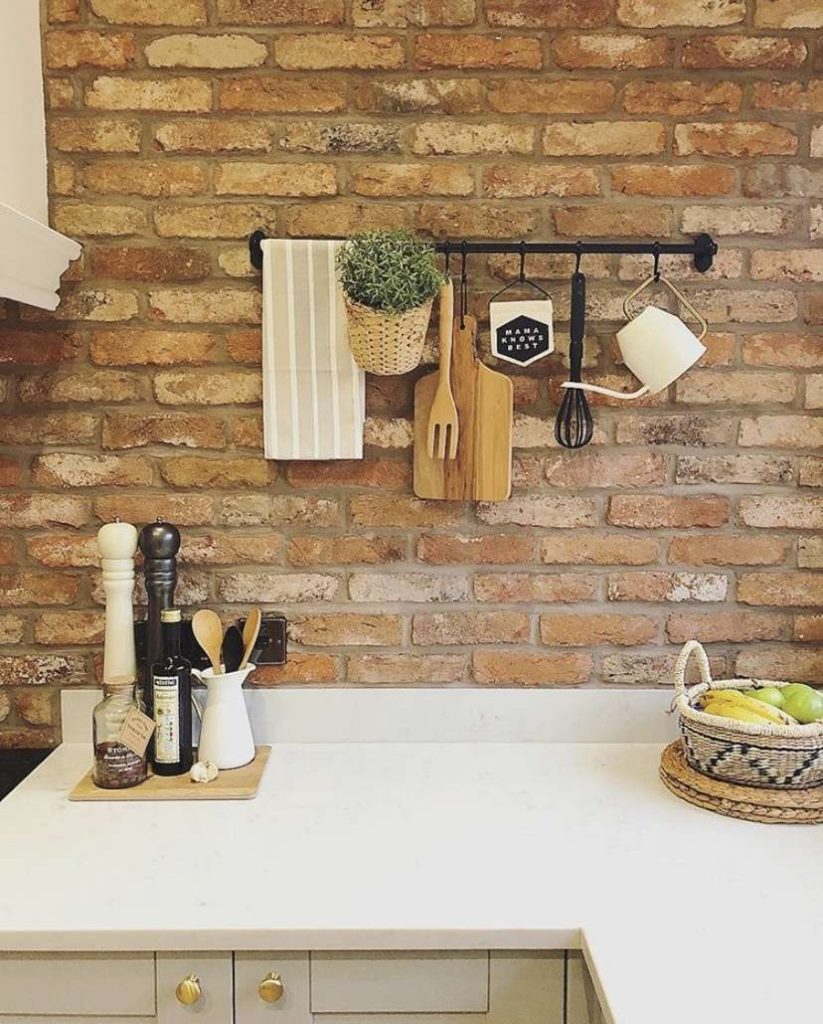
Reclaimed brick slip tiles are gaining popularity as a stylish and sustainable choice for interior design, combining rustic charm with environmental consciousness. These tiles, made from genuine reclaimed bricks, offer a unique and eco-friendly alternative to traditional wall coverings. Each tile has its own history, showing off the natural imperfections, textures, and colors that make them one-of-a-kind. These distinctive features create a sense of character and authenticity in any space, whether used for feature walls, backsplashes, or as part of a larger renovation project. One of the most significant advantages of reclaimed brick slip tiles is their sustainability. By repurposing bricks from old buildings, construction waste is significantly reduced, and the demand for new raw materials is lessened. This helps lower the carbon footprint associated with the production of new bricks and the environmental impact of landfill waste. The process of reclaiming bricks ensures that the tiles are both durable and environmentally friendly, offering an exceptional balance of style and conscience.

Stylish Space

This makes them an excellent choice for homeowners and businesses aiming to adopt more sustainable practices without compromising on design. In addition to their environmental benefits, Reclaimed Brick Slip Tile brings a timeless and industrial aesthetic to interiors. The variety of colors, from deep reds and oranges to softer shades of gray and beige, allows for flexibility in design, making them suitable for a wide range of styles, from contemporary lofts to cozy, traditional homes. Their rough, tactile surface adds texture to a room, creating depth and warmth. The versatility of reclaimed brick slips also allows for various applications. They work beautifully as feature walls in living rooms or kitchens, as well as in bathrooms and hallways.

They can even be used outdoors in covered patios or garden walls, offering durability and style in both interior and exterior spaces. Moreover, these tiles are low maintenance, which is a practical consideration for homeowners. Their robust, weathered surface is naturally resistant to staining and wear, making them easy to clean and maintain. Unlike some other materials, reclaimed brick slip tiles do not require frequent replacements or extensive care, further enhancing their appeal. For those looking to create a stylish, sustainable home or business environment, reclaimed brick slip tiles are an ideal option. They offer not only an aesthetic upgrade but also a positive contribution to reducing the environmental impact of construction. By choosing reclaimed brick slip tiles, you are investing in a material that brings both history and sustainability to the forefront of interior design, all while adding lasting beauty and character to your space.

Sell Home without the Stress Hassle-Free Solutions Tailored for You

Selling your home does not have to be a stressful experience. Imagine a process that is simple, efficient, and tailored to your unique needs. With our hassle-free home-selling solutions, you can move on to your next chapter without the usual challenges of traditional real estate transactions. Whether you are relocating, downsizing, or simply ready for a change, our approach is designed to minimize complexity and maximize your home’s potential value.

Why Choose a Hassle-Free Home Selling Solution?

Traditional home selling often involves a lengthy to-do list: preparing your home, finding the right agent, holding showings, negotiating offers, and handling paperwork. For many, this process can be overwhelming, especially when juggling other commitments. Our hassle-free solution takes the weight off your shoulders. By eliminating unnecessary steps and providing a streamlined approach, we make selling your home as simple and stress-free as possible.

Customized Approach for Every Seller

We recognize that each homeowner’s situation is unique, and a one-size-fits-all approach does not work. That is why we tailor our process to meet your specific needs. From the initial consultation, we listen closely to understand your priorities and concerns. Are you looking for a quick sale? Interested in maximizing value with minimal repairs? Whatever your goals, we craft a strategy to achieve them efficiently. Our team will guide you through every step, offering advice on pricing, presentation, and marketing. We handle all aspects of the sale, from preparing your home for listing to negotiating the best possible offer Website. Our experienced professionals know the market and use proven strategies to position your home competitively while meeting your timeline.

Simple Process, Swift Results

Selling your home quickly without sacrificing value is our priority. We offer various options to match your needs, including cash offers that can close in as little as a few days, saving you months of waiting and uncertainty. For homes that require updates or repairs, we can connect you with trusted vendors to handle the work swiftly, ensuring your home is market-ready with minimal effort on your part.

Support You Can Trust

Our commitment goes beyond the transaction; we believe in building trust and delivering quality service. Our clients enjoy peace of mind knowing that their sale is in good hands. With transparent communication, honest advice, and a focus on your best interests, we make sure the experience is not only hassle-free but genuinely satisfying. Take the stress out of selling your home. Reach out today to discover how our hassle-free, customized approach can simplify your move. Whether you are selling for the first time or a seasoned homeowner, we are here to make your transition seamless, so you can focus on what’s next.