Search for:

How Sustainable Architecture Is Shaping Melbourne Homes

Melbourne houses are changing. Quietly, then all at once. You’ll notice it in the way new builds sit on their blocks, the way older weatherboards get “un-sexy” upgrades like airtightness tapes and better glazing, and the way greenery is no longer a nice-to-have but part of the performance spec.

And yes, some of it is policy-driven. But a lot of it is just… practical. Energy costs go up, summers get harsher, and people get tired of living in homes that swing from freezing to stuffy in the same day.

One line that keeps coming up in projects I’ve worked on: comfort is a design outcome, not a gadget.

Melbourne, climate-smart? Prove it.

A city doesn’t get to call itself climate-smart just because it planted a few trees and wrote a strategy. It earns it when the numbers are public, progress is measurable, and the benefits show up in the places that usually miss out.

Melbourne’s strongest move has been leaning into transparency: targets, dashboards, open data, and performance reporting rather than glossy brochures. That “show your working” approach matters because it forces a feedback loop—an ethos long practiced by the sustainable residential architects in Melbourne who constantly test designs against real-world performance. Plans get tested against reality. If a precinct keeps overheating, you can’t hide behind a nice render.

A hard data point to anchor the conversation: Melbourne has a target of net zero emissions by 2040 (City of Melbourne, Council Plan 2021, 25 / Climate strategy targets). Targets don’t cool a bedroom at 2 am, but they do shape the rules, rebates, and approvals that eventually change what gets built.

Equity is the other piece people skip past. A climate-smart city isn’t one where wealthy inner suburbs get green roofs while heat-vulnerable households keep sweating through western suburbs summers in under-insulated rentals. If the interventions don’t land fairly, the “smart” label is mostly marketing.

Passive design: boring on paper, brilliant in real life

Here’s the thing: passive design is what you do when you’d rather not pay for your mistakes forever.

Passive design isn’t a single feature. It’s a set of interlocking decisions, orientation, glazing, shading, insulation, airtightness, thermal mass, ventilation, that either work together or fight each other. When they work, the house feels calmer. Temperatures don’t whip around. The heater runs less. The air feels fresher because you can ventilate on your terms, not because you’re desperate.

A lot of Melbourne’s newer sustainable homes are basically saying: design it right, then downsize the mechanical systems. That’s the opposite of the old habit: build a leaky box and slap on a bigger air conditioner.

Solar orientation basics (the part people keep getting wrong)

North-facing living areas are still the workhorse for Melbourne. Winter sun is low; you want it deep in the home. Summer sun is high; you want to block it.

Now, this won’t apply to everyone, but if you’ve got the freedom to plan a new build or major extension, the hierarchy tends to be:

– Put the rooms you live in (living/kitchen) on the north

– Push utility spaces (laundry, bathrooms) to the south

– Use eaves, awnings, pergolas, or adjustable shading to cut summer gains

– Don’t oversize west-facing glass unless you enjoy late-afternoon overheating

In my experience, west-facing glazing is where “architectural drama” goes to become an energy bill.

Thermal mass helps here too, if it’s in the sun and inside the insulated envelope. Mass in the wrong place is just expensive inertia.

Natural ventilation: cheap, effective, and easy to mess up

Cross-ventilation is simple in theory and surprisingly nuanced in execution. You’re trying to create a pressure difference: air in on one side, air out on another, with a clear path between.

In Melbourne, you’re balancing a few realities:

– Some summer days cool off nicely at night (great for purge ventilation).

– Some days are hot and smoky (bushfire season doesn’t ask permission).

– Many sites are noisy, overlooked, or constrained, so “just open windows” isn’t always comfortable or safe.

Good natural ventilation design usually looks like this: operable windows on opposite sides, high-level openings to dump hot air, and shading to stop the sun from turning the indoor air into soup in the first place. Add flyscreens that don’t strangle airflow. That part matters more than people think.

And please don’t confuse ventilation with leakage. A draughty house isn’t “well ventilated.” It’s just uncontrolled.

Thermal mass: yes, it works (but only if you do the rest)

Thermal mass is one of those concepts that gets oversold and then dismissed. Concrete slab! Brick walls! Problem solved! Not quite.

Thermal mass performs when:

– the sun can hit it (or warm air can wash over it),

– it’s inside the insulation line,

– nighttime temperatures allow it to dump stored heat,

– and the home is shaded and sealed enough that you’re not constantly fighting external heat.

When it’s right, it’s quietly excellent. Temperatures flatten out. Comfort improves. Mechanical heating and cooling can be smaller, cheaper, and less used.

When it’s wrong, you’ve built a heat battery that charges at exactly the wrong time.

Heating, cooling, and the tech that actually fits Melbourne

Melbourne is heating-dominated compared to Brisbane, but cooling demand is climbing. Hot spells are sharper. Nights don’t always relieve the day. So the “Melbourne homes don’t need air con” line is getting less true each year.

A technical briefing view: you reduce loads first, then select efficient systems sized to the reduced loads. Oversizing is common and it’s a waste, bigger systems short-cycle, control humidity poorly, and cost more upfront.

What tends to work well:

High-performance insulation + airtightness (ceiling, walls, floors, and the fiddly edges)

Heat pumps for space heating and hot water (high COP when selected and installed properly)

Zoning so you don’t condition rooms nobody’s using

Smart controls that reflect real occupancy patterns rather than fantasy schedules

Look, smart thermostats are useful, but they’re not magic. They can’t fix a home that’s bleeding heat through gaps, downlights, and thin glazing.

Materials and low-impact construction (where the real carbon hides)

Operational energy used to dominate the conversation. It still matters, but as homes get more efficient, embodied carbon, the emissions from extracting, manufacturing, and transporting materials, starts to bite harder.

Melbourne’s move toward lower-impact construction is less about a single “green” material and more about a better decision process:

– use regional materials where possible (less transport, often better supply chain visibility),

– choose durable assemblies you can repair rather than replace,

– design to avoid waste, especially offcuts and site errors,

– and lean on prefabrication when it genuinely reduces rework and rubbish.

Timber gets a lot of attention, and fair enough, but it’s not a free pass. Source matters. Detailing matters. Moisture management matters (ask anyone who’s dealt with rot behind a “sustainable” cladding system).

I’m generally pro-prefab for Melbourne, when it’s done by teams who understand airtightness continuity and don’t treat seals like optional extras.

The homeowner isn’t a customer anymore. They’re part of the system.

This shift is underrated. Homeowners are being pulled into co-creation: choosing performance targets, tracking energy use, learning how ventilation actually works, and maintaining systems so they keep performing five, ten, fifteen years later.

Certification can help, if it’s tied to outcomes and not just paperwork. A good framework forces documentation: insulation levels, glazing specs, blower door results, system commissioning, and sometimes actual operational energy tracking.

A blunt take: if you can’t measure it, you can’t improve it, and you definitely can’t trust it.

Maintenance is part of sustainability too. Filters get clogged. Seals age. Shading devices break. Green roofs die if no one owns the irrigation plan. None of that is glamorous, but it’s the difference between a high-performing home and a high-performing brochure.

Case studies, the Melbourne way (messy, real, encouraging)

sustainable residential architects in Melbourne

Some of the most convincing climate-smart housing examples in Melbourne aren’t futuristic showpieces. They’re renovations and infill projects where designers worked within tight setbacks, heritage constraints, and budgets that didn’t tolerate heroics.

You’ll see patterns:

– façades that manage sun with external shading instead of relying on tinted glass,

– sensors and controls that respond to temperature and CO₂ (especially in tighter envelopes),

– balconies and walls that use planting as actual thermal and stormwater infrastructure, not decoration,

– and material swaps driven by lifecycle analysis rather than vibes.

The best projects also treat accessibility as a core performance metric: step-free entries, readable controls, and layouts that work across changing mobility needs. A climate-smart home that’s unusable for half its occupants isn’t smart, it’s just selective.

One-line truth: sustainability that ignores comfort and equity doesn’t scale.

Where this is heading (and what still needs fixing)

Melbourne’s sustainable architecture trajectory is promising, but it’s not “done.” The next leap is boring and structural: better minimum standards, deeper retrofits, and performance verification that’s normal rather than niche. More street trees and green corridors will help, but they need to be paired with homes that don’t overheat, residents who aren’t priced out of upgrades, and building teams who can execute airtightness and moisture control without improvising on site.

Some cities chase climate-smart aesthetics. Melbourne, at its best, is learning to chase climate-smart outcomes.

And that’s the version worth building.
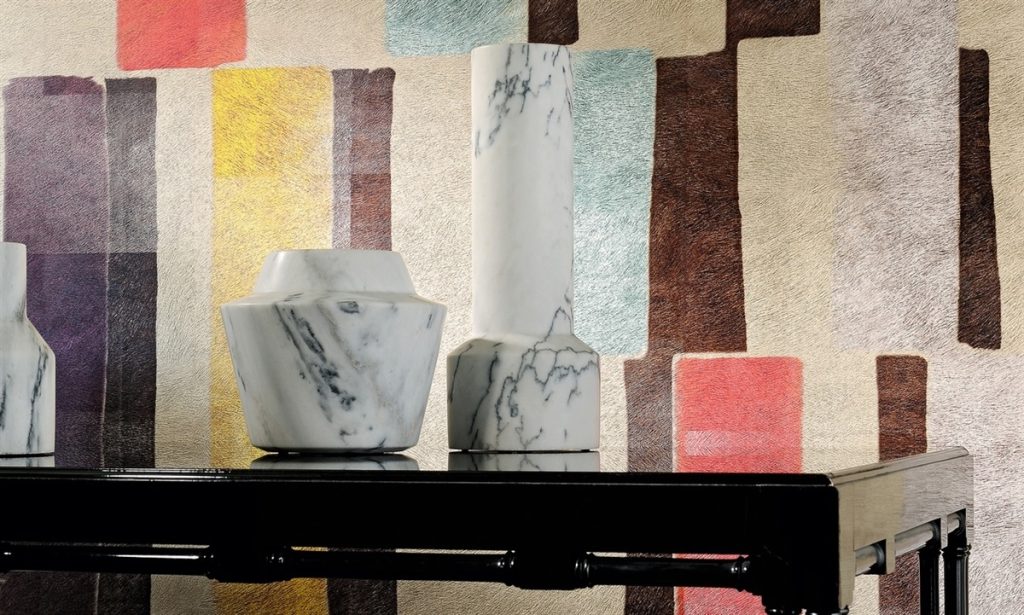
To Vibrant Wallpapers Infuse Homes With Joy And Daily Energy

Walls have the power to shape the mood of any room, and choosing the right wallpaper can instantly transform a space. Vibrant wallpapers bring color, life, and energy into homes, creating environments that uplift the spirit and encourage positivity. From bold patterns to bright hues, these designs can add character and personality to every corner. They are perfect for living rooms, kitchens, or even hallways, making daily life feel more lively and inspiring. Choosing wallpapers that resonate with personal taste ensures each space feels welcoming and full of energy.

Benefits of Vibrant Wallpapers

Vibrant wallpapers offer multiple advantages beyond just aesthetics. They can:

  • Boost Mood: Bright colors and dynamic patterns create a cheerful atmosphere.
  • Enhance Creativity: Energetic designs can inspire ideas and stimulate imagination.
  • Add Personality: Unique colors and patterns reflect the homeowner’s style.
  • Define Spaces: Bold wallpapers can highlight a feature wall or separate areas visually.
  • Increase Visual Appeal: Even small rooms feel lively and engaging.

Popular Themes and Designs

There are numerous styles that bring energy into a home:

  • Geometric Patterns: Modern shapes and lines add structure and movement.
  • Floral Prints: Colorful flowers create freshness and a natural, joyful vibe.
  • Abstract Art: Dynamic designs evoke creativity and curiosity.
  • Tropical and Nature Motifs: Vibrant greens and blues simulate outdoor energy indoors.
  • Color Blocking: Large contrasting colors make rooms feel dynamic and spacious.

Tips for Choosing the Right Vibrant Wallpaper

Selecting wallpaper can be simple with a few guiding points:

  • Match the Room’s Purpose: Choose calming bright shades for bedrooms, energetic colors for living areas.
  • Balance Boldness: Pair vibrant walls with neutral furniture and accessories to prevent overwhelming the space.
  • Consider Lighting: Natural and artificial light can affect how colors appear on the wall.
  • Focus on a Feature Wall: Highlight one wall to create a strong visual impact without overpowering the room.
  • Mix Patterns Carefully: Coordinate patterns with textures and solid colors for harmony.

Maintenance and Longevity

Vibrant wallpapers are not only attractive but can be durable when maintained well. Use gentle cleaning methods to retain brightness, avoid direct sunlight to prevent fading, and ensure proper installation to prevent peeling. Every installation of Elitis behang transforms a room, offering a perfect blend of elegance, beauty, and timeless design. High-quality wallpapers resist stains and scratches, making them a practical choice for busy homes.

Bringing Energy to Everyday Life

Colorful wallpapers do more than decorate walls—they influence daily experiences. A bright kitchen wall can energize morning routines, while a lively living room inspires family interactions. Kids’ rooms with playful patterns encourage creativity, and entryways with bold designs leave lasting impressions on guests. Vibrant wallpapers turn mundane spaces into inspiring environments that brighten daily life.

Conclusion

Choosing vibrant wallpapers is a simple yet powerful way to infuse homes with energy, joy, and character. By selecting patterns and colors that reflect personal style, balancing them with furniture and light, and maintaining them properly, homeowners can create spaces that inspire and energize every day. Bright walls are more than decoration—they are a daily source of positivity and vitality, transforming ordinary rooms into lively, welcoming spaces.

Professional Painters Understand the Nuances of Different Surfaces and Materials

Professional painters possess in-depth knowledge and expertise when it comes to working with different surfaces and materials. Painting is not a one-size-fits-all task the type of surface whether wood, metal, drywall, brick, or concrete affects the choice of paint, preparation techniques, and application methods. A professional understands how each material reacts to paint, ensuring a flawless and durable finish. One of the key aspects of professional painting is surface preparation. Each surface requires specific preparation techniques to achieve optimal adhesion and longevity. For instance, painting over drywall requires proper priming to seal the porous material and prevent paint from soaking in unevenly. Wood surfaces must be sanded and sometimes treated with a stain-blocking primer to prevent knots from bleeding through the paint. Metal surfaces require degreasing and rust removal before applying a primer designed to prevent corrosion. Concrete and brick surfaces need to be thoroughly cleaned and sometimes etched with acid to ensure proper paint penetration.

Without proper preparation, even the best-quality paint will not adhere well or last long. In addition to preparation, the choice of paint and finish is crucial. Different materials require different types of paint for durability and aesthetic appeal. For example, latex paints are commonly used on drywall and wood because of their flexibility and ease of cleaning, whereas oil-based paints are often preferred for metal and trim work due to their durability and resistance to wear. Masonry surfaces such as brick and stucco require breathable paints that allow moisture to escape, preventing peeling and cracking. Professionals also consider environmental factors, such as humidity, temperature, and exposure to sunlight, when selecting the appropriate paint. Exterior paints need to withstand weather conditions, UV rays, and moisture, while interior paints must be resistant to stains and easy to clean. Application techniques also vary depending on the surface. Smooth surfaces like drywall and wood can be painted with rollers or brushes, but textured surfaces like stucco or rough brick may require sprayers for an even coat.

Professional painters understand the right stroke techniques, layering methods, and drying times to achieve a smooth and professional finish. They also know how to use specialty paints and coatings, such as anti-mold or fire-resistant paints, for specific applications. Another essential factor professionals consider is color and finish selection. Different surfaces can affect how a color appears, depending on their texture and absorption rate. A glossy finish on a smooth surface like metal can create a sleek, modern look, while a matte finish on a textured wall can help hide imperfections. Painters also consider lighting conditions in a space, ensuring the chosen color looks appealing in different lighting situations. Ultimately, professional painters bring expertise that goes beyond simply applying paint. Their understanding of various surfaces and materials, combined with proper preparation, product selection, and application techniques, ensures a high-quality and long-lasting finish. By hiring Image Line Painting, homeowners and businesses can achieve not only aesthetically pleasing results but also surfaces that remain durable and protected for years to come.

Boost Home Value Instantly by Removing Harmful Roof Moss Fast in Blackburn

Moss growth on a roof is a common issue that many homeowners in Blackburn face and addressing it promptly can significantly enhance the value and appearance of a property. A roof covered in moss not only looks unsightly but can also lead to serious structural problems if left untreated. Moss retains moisture, which can cause roofing materials to deteriorate over time, leading to leaks, weakened tiles, and costly repairs. By taking swift action to remove moss, homeowners can prevent long-term damage and maintain the integrity of their property. One of the primary reasons to remove moss from a roof is to improve curb appeal. A home with a clean and well-maintained roof instantly appears more attractive and well cared for, which can be a crucial factor when selling a property. Potential buyers are often deterred by visible signs of neglect, such as moss-covered tiles, as it suggests a lack of maintenance and possible hidden issues. A moss-free roof creates a positive first impression, making the home stand out in a competitive housing market.

Roof Moss Removal

Beyond aesthetics, removing moss helps to extend the lifespan of the roof. Moss holds moisture against the surface of the roof, creating the perfect conditions for decay and mold growth. Over time, this can weaken the structural integrity of shingles and tiles, making them more susceptible to cracking and breakage. In colder months, trapped moisture can freeze and expand, causing further damage. By keeping the roof clear of moss, homeowners can avoid these issues and reduce the need for costly repairs or premature roof replacements. Additionally, a clean roof contributes to better home insulation and energy efficiency. Moss and accumulated debris can block drainage systems, leading to water pooling and potential leaks. Water infiltration can damage insulation, causing temperature fluctuations within the home and increasing heating costs during the colder months. Removing moss ensures proper water drainage and helps maintain a stable indoor climate, ultimately improving the home’s energy efficiency.

There are various methods to effectively remove moss, ranging from manual removal to specialized treatments that prevent regrowth roof moss removal in blackburn. Eco-friendly moss treatments and preventative coatings are also available to inhibit future growth without harming the environment. Regular roof inspections and maintenance can help catch early signs of moss buildup, preventing it from becoming a larger problem. Preventative measures are just as important as removal. Keeping trees trimmed to reduce shade, clearing debris from gutters, and ensuring proper ventilation can all help minimize moss growth. Applying a protective treatment can also create a barrier against future moss development, keeping the roof in optimal condition for years to come. By addressing roof moss issues promptly, homeowners in Blackburn can protect their property, improve its visual appeal, and ultimately increase its market value. Whether planning to sell or simply aiming to maintain a well-kept home, taking the time to remove moss is a worthwhile investment that pays off in both aesthetics and long-term durability.

📞 Call us on 01625 724292
📧 Email us at clint@justcleanpropertycare.co.uk
🌐 Visit our website at www.justcleanpropertycare.co.uk

Energy-Efficient Electrical Cabins with Smart Integration Features

Energy-efficient electrical cabins with smart integration features represent a significant innovation in the field of power distribution and management. These cabins are designed to house electrical equipment in a way that minimizes energy consumption while enhancing the overall performance and functionality of the system. By incorporating advanced technologies, these cabins not only reduce operational costs but also contribute to a more sustainable and environmentally friendly approach to energy management. The primary goal of energy-efficient electrical cabins is to reduce the energy footprint of electrical infrastructure. This is achieved through the integration of high-performance insulation materials, energy-efficient lighting, and low-energy consumption appliances. The cabin’s design ensures that the internal environment is optimized for maximum efficiency, with carefully calculated ventilation systems that prevent excess energy waste while maintaining a stable temperature for electrical components. Smart integration features further enhance the cabin’s efficiency by allowing it to be monitored and controlled remotely. These features typically include IoT-enabled sensors that track various parameters such as temperature, humidity, and voltage levels.

Electrical Cabins with Smart Integration Features

This real-time monitoring allows operators to adjust settings or receive alerts if there are any anomalies, reducing the risk of energy loss and system failure. The ability to manage these cabins remotely also allows for predictive maintenance, which ensures that any issues are addressed before they escalate, leading to longer operational life and fewer costly repairs. Additionally, energy-efficient electrical cabins are increasingly incorporating renewable energy sources like solar panels or wind turbines, which can be integrated into the cabin’s energy system. This feature allows cabins to function autonomously, drawing power from renewable sources when available, further reducing reliance on traditional power grids and lowering overall energy consumption. In combination with smart grid technology, the cabin can be dynamically linked to the broader energy infrastructure, ensuring that energy is distributed efficiently based on demand and availability. The design of these cabins also takes into account their environmental impact. The use of sustainable materials, energy-efficient cooling systems, and the ability to integrate renewable energy sources aligns with broader goals of reducing carbon footprints.

By using less energy and minimizing waste, these cabins contribute to a more sustainable and eco-friendly approach to electrical distribution, helping organizations meet their environmental goals while improving operational efficiency. Moreover, smart integration features are not limited to just energy consumption monitoring; they can extend to safety and security systems as well. Advanced security measures, such as motion detectors, cameras, and access controls, are integrated to protect valuable electrical equipment. With the ability to monitor security in real-time, these systems can alert personnel to unauthorized access or potential hazards, reducing the risk of theft, damage, or malfunction. This added layer of protection enhances the overall reliability of the electrical system housed within the cabin. In conclusion, energy-efficient cabine elettriche mt bt catania with smart integration features represent a leap forward in the way electrical infrastructure is designed, monitored, and managed. These cabins optimize energy usage, integrate renewable energy sources, and provide advanced monitoring capabilities, all while ensuring safety and security.

Sustainable restroom Rentals with Eco-Conscious Waste Management

Sustainable restroom rentals have become increasingly popular as awareness of environmental conservation grows, particularly in the context of events, construction sites, and outdoor gatherings. These eco-friendly restroom solutions are designed to minimize their ecological footprint by incorporating sustainable materials, reducing water usage, and implementing advanced waste management systems. Unlike traditional portable restrooms that rely on chemical treatments and excessive water consumption, sustainable models often feature composting toilets, low-flow fixtures, and solar-powered lighting, reducing both environmental impact and operational costs. By utilizing renewable energy sources and recyclable materials, these units not only lessen their carbon footprint but also align with the growing demand for green alternatives at public and private events. The use of sustainable restroom rentals demonstrates a commitment to environmental responsibility while providing guests and users with a clean, comfortable, and modern experience.

Eco-conscious waste management is a key component of sustainable restroom rentals, ensuring that waste is handled in a manner that protects the environment. These systems often include closed-loop waste processing, which can treat and neutralize waste on-site, reducing the need for transportation and external disposal. Technologies such as composting or anaerobic digestion convert human waste into safe, usable products like compost or biogas, contributing to the circular economy. Some advanced restroom units are equipped with greywater recycling systems that treat and reuse water for flushing or irrigation purposes, significantly cutting down on overall water usage. By integrating these waste management practices, sustainable restroom rentals not only conserve valuable resources but also prevent pollution and reduce greenhouse gas emissions, making them an ideal choice for environmentally conscious projects and events.

In addition to their environmental benefits, sustainable restroom rentals Sacramento also provide a high level of convenience and adaptability. These units can be easily transported and installed in various settings, from urban events to remote outdoor locations, without requiring extensive infrastructure changes. Many come with modular designs that allow for customization based on specific needs, such as adding more stalls, incorporating hand washing stations, or upgrading to luxury amenities while still maintaining eco-friendly features. This adaptability extends to the servicing of these restrooms as well; waste management can be tailored to match the frequency and volume of use, ensuring that the units remain clean and operational throughout their deployment. By opting for sustainable restroom rentals, event organizers, construction managers, and property owners can demonstrate a commitment to reducing their environmental impact, all while providing a superior sanitation experience for users. This alignment of convenience, sustainability, and functionality makes eco-conscious restroom rentals a forward-thinking solution for a wide range of applications.

The Intersection of Technology and Art – Pioneering Designs Shaping the Future

The intersection of technology and art is increasingly shaping the future, giving rise to pioneering designs that transcend traditional boundaries and create new forms of expression. This convergence is not merely a fusion of disciplines but a dynamic interaction that is revolutionizing how we perceive, create, and interact with art and design. As technology advances at an unprecedented pace, artists and designers are harnessing its potential to push the limits of creativity, resulting in innovative works that challenge conventional aesthetics and offer new ways of experiencing art. One of the most significant developments in this intersection is the rise of digital art. With the advent of powerful software and hardware, artists can now create intricate and complex works that were previously unimaginable. Digital painting, 3D modeling, and virtual reality VR are just a few examples of how technology is expanding the artist’s toolkit. These tools allow for greater experimentation, enabling artists to explore new styles, forms, and concepts that would be impossible or highly labor-intensive using traditional media.

SPMD

In addition to digital art, the integration of artificial intelligence AI into the creative process is opening up new possibilities for artistic expression. AI algorithms can analyze vast amounts of data to generate new patterns, compositions, and even entire works of art. This has led to the emergence of generative art, where artists collaborate with machines to produce works that are both surprising and novel. The role of the artist is shifting from that of a sole creator to a curator or conductor, guiding the AI’s output to achieve a desired aesthetic. This symbiotic relationship between human creativity and machine learning is leading to the creation of artworks that challenge our understanding of authorship and originality. The intersection of technology and art is also evident in the rise of interactive and immersive experiences. Installations that incorporate VR, augmented reality AR, and other interactive technologies are transforming the way we engage with art. Instead of being passive observers, audiences can now actively participate in the artistic experience, influencing the outcome of the work in real time.

These immersive environments blur the line between the physical and digital worlds, creating a sense of presence and connection that is both visceral and emotional. Artists and designers are leveraging these technologies to create experiences that are not only visually stunning but also deeply engaging and thought-provoking. Furthermore, the advent of blockchain technology is revolutionizing the way art is bought, sold, and authenticated. Non-fungible tokens NFTs, unique digital assets that represent ownership of a specific piece of digital content, are enabling artists to monetize their work in new ways. NFTs have sparked a new wave of creativity, with artists exploring the potential of this technology to create works that are not just digital copies but unique digital originals. SPMD has also raised important questions about the value and ownership of digital art, challenging traditional notions of scarcity and authenticity. In conclusion, the intersection of technology and art is fostering a new era of creativity, where the boundaries between the two are increasingly blurred.

Turning Plans into Homes – The Benefits of Hiring Skilled Home Builders

Building a home is a monumental task that involves much more than just laying bricks and mortar. It requires a blend of precision, creativity, and expertise to turn architectural plans into a functional and beautiful dwelling. Hiring skilled home builders can significantly impact the success of this complex process, offering numerous benefits that extend beyond mere construction.

Expertise and Experience

Skilled home builders bring a wealth of expertise and experience to the table. Their knowledge of building codes, zoning laws, and construction techniques ensures that your home is built to the highest standards. They can navigate the complexities of the construction process efficiently, reducing the likelihood of errors and delays. Their experience allows them to anticipate potential issues before they arise and implement effective solutions, ensuring a smoother construction journey.

Home Builders

Quality Craftsmanship

When you hire skilled home builders, you are investing in superior craftsmanship. These professionals take pride in their work and adhere to strict quality standards. From the foundation to the finishing touches, their attention to detail ensures that every aspect of your home is constructed to last. High-quality materials and precise workmanship not only enhance the aesthetic appeal of your home but also contribute to its durability and long-term value.

Time and Cost Efficiency

One of the primary benefits of hiring skilled home builders is their ability to manage time and costs effectively. Experienced builders have established relationships with suppliers and subcontractors, which can lead to cost savings on materials and labor. They also have a deep understanding of project timelines, allowing them to schedule tasks efficiently and keep the project on track. By minimizing delays and avoiding costly mistakes, skilled builders help ensure that your home is completed within budget and on time.

Customized Solutions

Skilled home builders can offer valuable insights and suggestions to tailor your home to your specific needs and preferences. They work closely with you to understand your vision and can provide innovative solutions to achieve your desired outcome. Whether you want to incorporate unique architectural features or optimize space, their expertise allows them to turn your ideas into reality while maintaining structural integrity and functionality.

Long-Term Value

A home built by skilled professionals is likely to have a higher resale value. The quality of construction, attention to detail, and adherence to industry standards contribute to a home that stands the test of time. Investing in skilled builders not only enhances your immediate living experience but also protects your long-term investment, making it a wise choice for homeowners looking to maximize the value of their property.

Hiring custom home builders gerringong offers numerous advantages that can greatly impact the outcome of your construction project. From their expertise and quality craftsmanship to their ability to manage time and costs effectively, these professionals play a crucial role in turning architectural plans into a beautiful, functional, and enduring home. Their involvement ensures that your vision is realized with precision, efficiency, and excellence.

Revolutionizing Storage Collier Cabinets at the Forefront

In the realm of interior design and practical home solutions, one name stands out for its innovation and relentless pursuit of perfection: Collier Cabinets. This pioneering brand has been at the forefront of revolutionizing storage solutions, marrying functionality with aesthetics in ways that transform ordinary spaces into paragons of efficiency and style. As we delve deeper into the ethos and achievements of Collier Cabinets, it becomes clear why this company is leading the charge in redefining what we expect from our living and working environments. At the heart of Collier Cabinets’ philosophy is the belief that storage is not merely about providing a place to hide away our belongings. Instead, they see it as an opportunity to enhance our daily lives, making spaces more livable, work more productive, and leisure more enjoyable.  One of the key innovations that set Collier Cabinets apart is their custom modular storage systems. These systems are designed with flexibility in mind, allowing homeowners to adapt their storage to meet changing needs and preferences.

Whether it is a growing collection of kitchen gadgets, an expanding wardrobe, or the need to reconfigure a living space to accommodate a home office, Collier Cabinets’ solutions are designed to evolve alongside their users. This adaptability, combined with the company’s commitment to using high-quality materials and the latest in ergonomic design, means that their products are not just investments in your home but in your quality of life. Sustainability is another cornerstone of the Collier Cabinets ethos. In an industry often criticized for its environmental impact, Collier Cabinets has taken a stand to be part of the solution. By sourcing eco-friendly materials and employing manufacturing processes that reduce waste and energy consumption, they are setting a new standard for sustainability in the storage solution industry. This commitment extends to their product designs, which prioritize durability and timelessness over trends, ensuring that each piece has a long and useful life.

Perhaps what truly distinguishes Collier Cabinets in the crowded marketplace is their personalized approach. Recognizing that no two homes or homeowners are alike, they offer bespoke design services that allow clients to have a direct hand in creating their storage solutions. This collaborative process ensures that each project reflects the unique style and needs of its owner, visit site resulting in spaces that are not just organized, but truly personal. As Collier Cabinets continues to innovate and expand its offerings, its impact on the industry and on the lives of its customers is undeniable. In a world where space is at a premium and personal expression is valued more than ever, Collier Cabinets is not just providing storage solutions; they are helping to create homes that are more functional, beautiful, and sustainable.

Transform Your Home into a Relaxation Oasis with Sauna Kit!

Transforming your home into a relaxation oasis has never been easier with the advent of cutting-edge home sauna kits. These kits bring the luxury and rejuvenating benefits of traditional saunas right into the comfort of your own space. Imagine stepping into a serene haven after a long day, where the stresses of the outside world melt away in the enveloping warmth of your personal sauna. These modern home sauna kits are designed with both style and functionality in mind, seamlessly blending into your home decor while providing the latest technology for an unparalleled relaxation experience. One of the key features of these cutting-edge home sauna kits is their compact and efficient design. Gone are the days of requiring a dedicated room for a sauna; these kits can be installed in any available space, be it a spare room, bathroom, or even a walk-in closet. The materials used in the construction of these saunas are not only durable but also aesthetically pleasing, ensuring that your relaxation oasis enhances the overall ambiance of your home.

Sauna Kit

The exterior is often crafted from high-quality wood, such as cedar or hemlock, giving your sauna a natural and inviting feel. What sets these home sauna kits apart is their advanced heating technology. Utilizing infrared heaters, these saunas deliver a gentle and even heat that penetrates deep into your muscles, promoting relaxation and easing tension. Infrared heat has been shown to have various health benefits, including improved circulation, detoxification, and relief from muscle and joint pain. The precise temperature control and timer settings allow you to customize your sauna experience to suit your preferences, ensuring that every session is tailored to your unique needs. Another innovative feature of these home sauna kits is their smart technology integration. Many models come equipped with Bluetooth speakers, allowing you to enjoy your favorite music or guided meditation while unwinding in the soothing warmth. Some even include chromotherapy lighting, which uses different colored lights to enhance the overall relaxation experience.

The combination of heat, music, and ambient lighting creates a multisensory environment that transports you to a state of tranquility within the confines of your own home and view https://www.theedgesearch.com/2023/07/mistakes-when-purchasing-a-home-sauna-kit.html. Installation is a breeze with these home sauna kits, as they are designed for easy assembly and can be plugged into a standard electrical outlet. This eliminates the need for extensive remodeling or specialized electrical work, making it a hassle-free addition to your home. The low operating costs and energy efficiency of these saunas ensure that you can indulge in relaxation without worrying about excessive utility bills. In conclusion, transforming your home into a relaxation oasis is now within reach with cutting-edge home sauna kits. These modern marvels combine sleek design, advanced heating technology, and smart features to create a personalized sanctuary where you can escape the stresses of daily life. Invest in your well-being and elevate your home environment with a home sauna kit that brings the spa experience to your doorstep.