
Pipe Relining vs. Pipe Replacement: Which Option Actually Saves You More?
So, you’re staring down a plumbing headache and torn between pipe relining and going all-in with a full replacement. The decision isn’t always crystal clear—there’s cost, downtime, durability, and future headaches to weigh. Don’t worry, we’re breaking it all down so you can make the smartest call for your situation.
Cost Comparison: Upfront Vs. Long-Term Savings
Let’s be real—money matters! But it’s not just about what you pay today.
Pipe Relining:
– Usually cheaper upfront than full replacement
– Less digging means lower labor costs
– Quicker jobs can cut down on site disruption (and therefore, extra expenses)
– Watch out for: Access issues, material differences, and the need for occasional touch-ups down the road
– For those dealing with older pipes, trenchless pipe relining for ageing drains is an efficient, non-invasive solution that’s increasingly popular.
Pipe Replacement:
– Higher upfront bill—think trenching, demolition, new pipe materials, and restoring the area
– But… you’re starting fresh, so maintenance costs might drop in the long haul
– Better for pipes with major, widespread damage
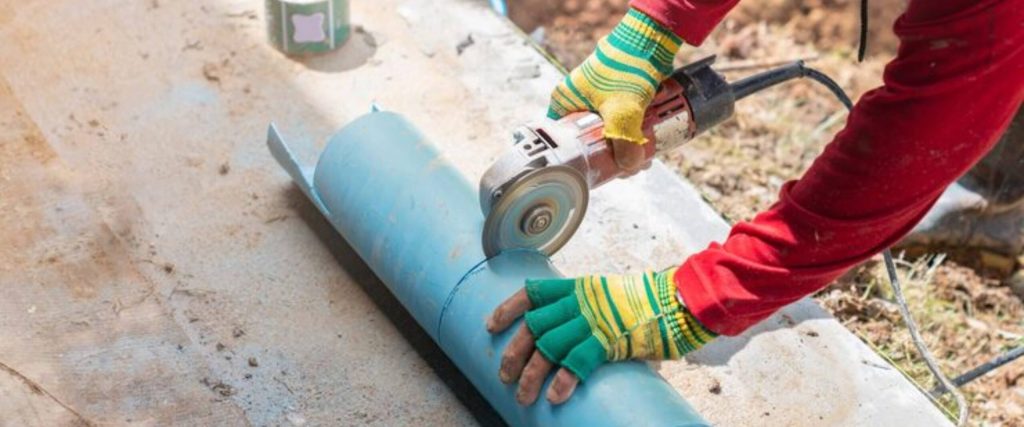
Bottom line: If you need to fix a few problem spots and want to save money now, relining is hard to beat. But if your whole system is shot, replacement could be the smart investment for the future.
Lifespan and Durability: How Long Will Each Last?
You don’t want to patch things up today just to deal with the same mess next year.
Relining Pros & Cons:
– Restores strength by creating a new “pipe within a pipe”
– Good for pipes that aren’t totally falling apart
– Cons: The original pipe still matters—if it’s super old or joints are failing, relining won’t fix everything
Replacement Pros & Cons:
– Wipes the slate clean—all new materials, no hidden legacy issues
– Typically offers a longer, more predictable lifespan
– Cons: New pipes can still have wear and tear at joints or from soil shifts
Tip: Think about what your pipes are made of and how much abuse they take. Some materials hold up better under pressure or corrosion than others.
Disruption & Timeframe: How Much Will This Mess Up Your Schedule?
Let’s face it, nobody wants a construction zone in their driveway or business for weeks.
Relining:
– Minimal surface disruption—crews work inside the existing pipe
– Usually wraps up faster
– Less mess, less hassle
Replacement:
– Major digging, trenching, and noise
– Takes longer, especially for big jobs
– Can block access, close roads, or disrupt business hours
Plan ahead: If you run a business or want to avoid major headaches at home, relining is usually the way to go.
When Does Relining Make Sense?
Relining isn’t magic, but it’s a lifesaver in the right spot. Here’s when it shines:
– Localized damage: Cracks, roots, or leaks are limited to a few spots
– Pipes are mostly solid: No major collapses or severe corrosion
– Access points are easy: Minimal digging needed
– Downtime is expensive: Businesses, hospitals, or busy homes don’t have time for long shutdowns
Heads up: If the pipe material and the liner resin play nice together, you’re golden.
When Is Replacement the Smarter Option?
Sometimes, relining just can’t cut it. You should lean toward replacement when:
– Widespread corrosion or damage is obvious
– The pipe walls are thinned out or brittle
– Ongoing leaks threaten nearby structures or utilities
– Old materials (like galvanized steel or crumbling plastic) are everywhere
– You need to upgrade or future-proof your system
In short: If your pipes are a ticking time bomb, replacement gives you peace of mind and a longer-lasting fix.
Hidden Costs & Maintenance: What Happens After the Work Is Done?
Let’s talk about the stuff nobody mentions—the sneaky costs and upkeep after the big fix.
After Relining:
– Less frequent maintenance, but not totally maintenance-free
– Regular CCTV inspections are a must to spot issues early
– Watch for root intrusion at joints and monitor resin condition
– Cleaning and minor touch-ups may be needed over time
After Replacement:
– New pipes still need love! Look out for:
– Joint wear
– Settling and shifting
– Corrosion at connectors
– Regular inspections and occasional repairs keep things running smooth
Smart Maintenance Plan:
– Document everything: when it was fixed, what materials were used, and inspection schedules
– Budget for regular checks (not just emergency repairs)
– Stay proactive—catch little issues before they become big ones
The Takeaway
Choosing between pipe relining and replacement isn’t a one-size-fits-all decision. Here’s a quick recap to help you decide:
– Relining: Great for isolated issues, tight budgets, and when you want minimal disruption
– Replacement: Best for system-wide problems, long-term reliability, and future upgrades
Still unsure? Get a pro to inspect your pipes and walk you through your options. You’ll be glad you did—your plumbing (and your wallet) will thank you!
