
Limit switch symbol knowledge ensures proper alignment with industrial standards
In modern automation and control systems, clarity and precision are essential for seamless operations. One of the most important yet often overlooked aspects of system design is the correct understanding of limit switch symbols. Developing strong knowledge in this area ensures proper alignment with industrial standards, leading to improved efficiency, safety, and system reliability.
Understanding the Role of Limit Switch Symbols
Limit switch symbols represent the physical devices used to detect the presence or position of objects in industrial systems. These symbols are widely used in electrical schematics to communicate how machines interact with their environment.
When engineers and technicians interpret these symbols accurately, they can:
- Ensure consistent communication across teams
- Maintain uniformity in design documentation
- Reduce the chances of installation errors
- Support compliance with recognized industrial practices
A clear grasp of these symbols creates a shared technical language that enhances collaboration and precision.
Supporting Compliance with Industrial Standards
Industrial standards are designed to promote safety, efficiency, and interoperability. Limit switch symbols play a vital role in meeting these expectations by ensuring that schematics follow universally accepted formats.
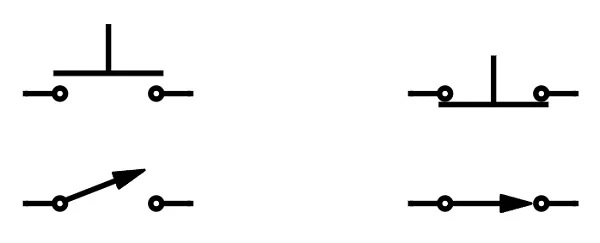
Key benefits of standards alignment include:
- Improved Safety: Clear symbols help prevent misinterpretation, reducing risks during installation and operation
- Regulatory Compliance: Proper symbol usage supports adherence to industry guidelines and inspection requirements
- Global Consistency: Standardized symbols enable professionals from different regions to understand schematics
- Efficient Maintenance: Technicians can quickly identify components, reducing downtime and repair complexity
By mastering limit switch symbols, professionals can confidently create designs that align with these essential standards. Students learn open switch symbol for fundamental circuit knowledge.
Enhancing Design Accuracy and System Performance
Accurate symbol usage directly impacts the performance and reliability of industrial systems. When limit switch symbols are applied correctly, they contribute to better system planning and execution.
This leads to:
- Precise Component Placement: Ensures switches are installed in optimal positions
- Reliable System Behavior: Supports predictable machine responses
- Reduced Rework: Minimizes errors during the design and implementation phases
- Streamlined Documentation: Creates clear and professional schematics
Such advantages highlight the importance of integrating symbol knowledge into every stage of system development.
Strengthening Technical Expertise
Learning and applying limit switch symbols builds a strong foundation in electrical and automation engineering. It enhances both theoretical understanding and practical skills.
Professionals benefit by:
- Developing confidence in reading complex diagrams
- Improving troubleshooting capabilities
- Enhancing communication with multidisciplinary teams
- Staying aligned with evolving industry practices
This knowledge empowers individuals to contribute effectively to high-quality industrial projects.
Best Practices for Mastering Limit Switch Symbols
To fully leverage the benefits of limit switch symbol knowledge, it is important to follow structured learning and application strategies.
Recommended practices include:
- Studying standard schematic guidelines regularly
- Practicing diagram interpretation and creation
- Reviewing real-world industrial schematics
- Collaborating with experienced professionals
- Keeping updated with advancements in automation standards
Consistent practice and continuous learning ensure long-term mastery and professional growth.
Conclusion
Limit switch symbol knowledge is a powerful tool for ensuring alignment with industrial standards. It promotes accuracy, safety, and efficiency across all stages of system design and operation. By investing in this essential skill, engineers and technicians can create reliable, compliant, and high-performing industrial solutions that stand the test of time.
