Traditional barber chair craftsmanship reflecting heritage quality and structural precision
Skilled hands once shaped seating meant to last across generations of grooming culture. Traditional barber chair craftsmanship reflecting heritage quality and structural precision represents careful attention to detail built through experience. Every curve carries intent. Each joint reflects patience. Time tested methods guide assembly. Such workmanship brings authenticity to grooming spaces while honouring the discipline that defined early makers.
Hand Built Structural Foundations
Early seating relied on manual processes that emphasized accuracy and balance. Craftsmen focused on alignment strength and measured assembly to achieve dependable performance.
- Hand fitted joints improve overall frame alignment
- Manual measurements ensure balanced proportions
- Solid base construction supports weight distribution
- Reinforced corners prevent structural fatigue
- Traditional assembly methods increase long term reliability
Metalwork Precision and Balance
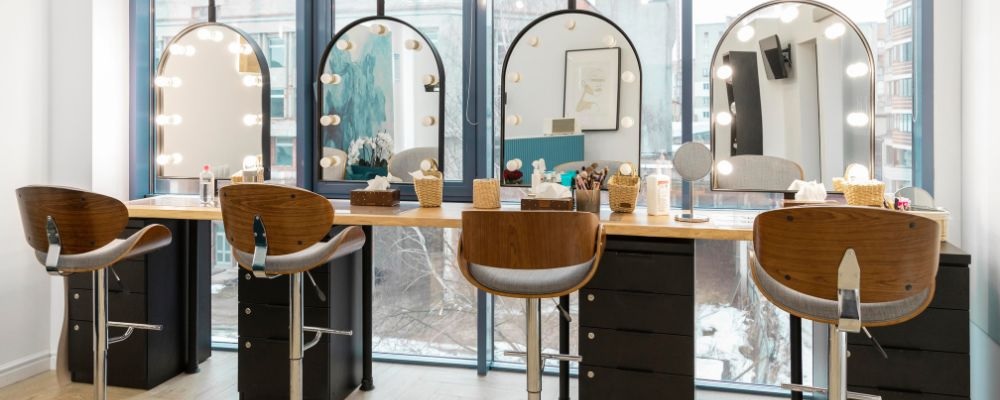
Metal components define the internal strength of classic seating. Skilled metal shaping creates consistent symmetry. Forged parts fit together seamlessly. Precision drilling supports smooth movement. Balanced metalwork reduces strain during use. These practices Barber Chair ensure the structure remains firm while allowing controlled adjustments over extended periods. Salon chairs often feature smooth finishes in neutral or modern tones.
Upholstery Techniques Passed Down
Surface work reflects careful attention learned through repetition. Upholstery methods aim for durability and visual harmony.
- Hand strhed materials prevent uneven tension
- Carefully stitched seams resist separation
- Layered padding maintains consistent shape
- Traditional fastening secures coverings firmly
- Manual inspection ensures uniform finish quality
Mechanical Craft Supporting Function
A well-crafted Barber Chair relies on mechanical parts assembled with patience and skill. Adjustment systems align precisely. Moving elements operate smoothly. Tolerance levels remain tight. These details allow reliable function while preserving the visual integrity of classic design without unnecessary complexity.
Visual Identity Rooted in Heritage
Beyond function these chairs represent cultural symbols. Decorative elements follow historical patterns. Finishes highlight craftsmanship. Visual weight anchors the grooming room. Each piece tells a story of careful labor. Heritage styling reinforces identity while remaining relevant through enduring appeal. Upholstery impacts comfort, hygiene, and appearance. Most professional chairs use synthetic leather due to its durability and easy cleaning. Quality upholstery resists cracking, fading, and moisture absorption.
Artisan methods continue shaping seating that values accuracy and tradition. Manual construction provides dependable form. Refined metal shaping ensures stability. Upholstery care adds resilience. Mechanical accuracy supports usability. Visual character strengthens atmosphere. Traditional barber chair craftsmanship reflecting heritage quality and structural precision stands as a reminder that thoughtful making delivers lasting worth through disciplined creation.